Why Japan Travel Budgets Are So Hard to Estimate
Flights and hotels are easy to price; food, transport, and entry fees depend on your plan. Why Japan budgets stay vague until the itinerary is set.
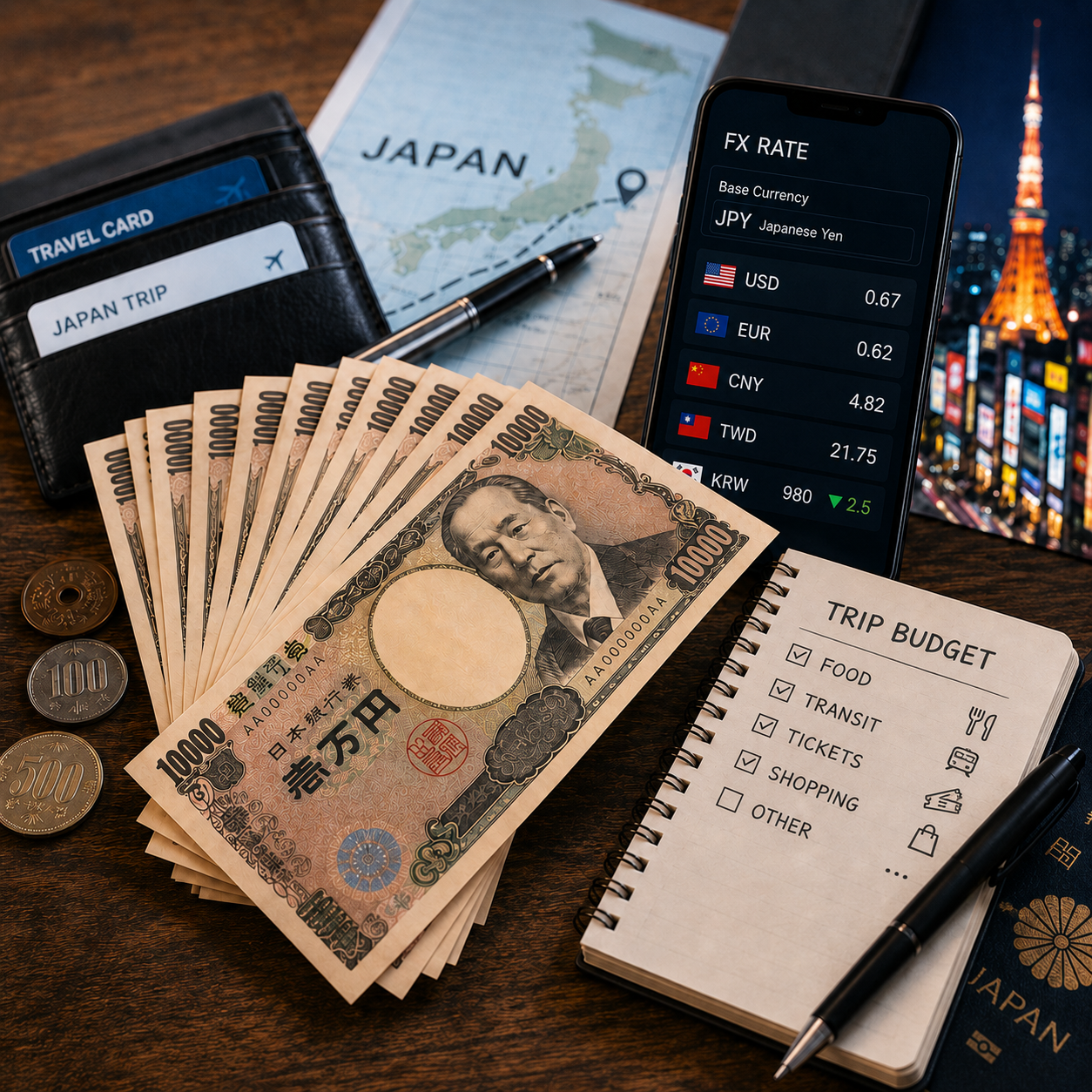
'How much should I budget for Japan?' is one of those questions that sounds simple but doesn't have a clean answer. Flights and accommodation snap into place the moment you book them. Everything else — what you eat, how you move around, which sights you pay to enter — only becomes calculable once your actual itinerary exists.
Two Costs You Can Pin Down Immediately
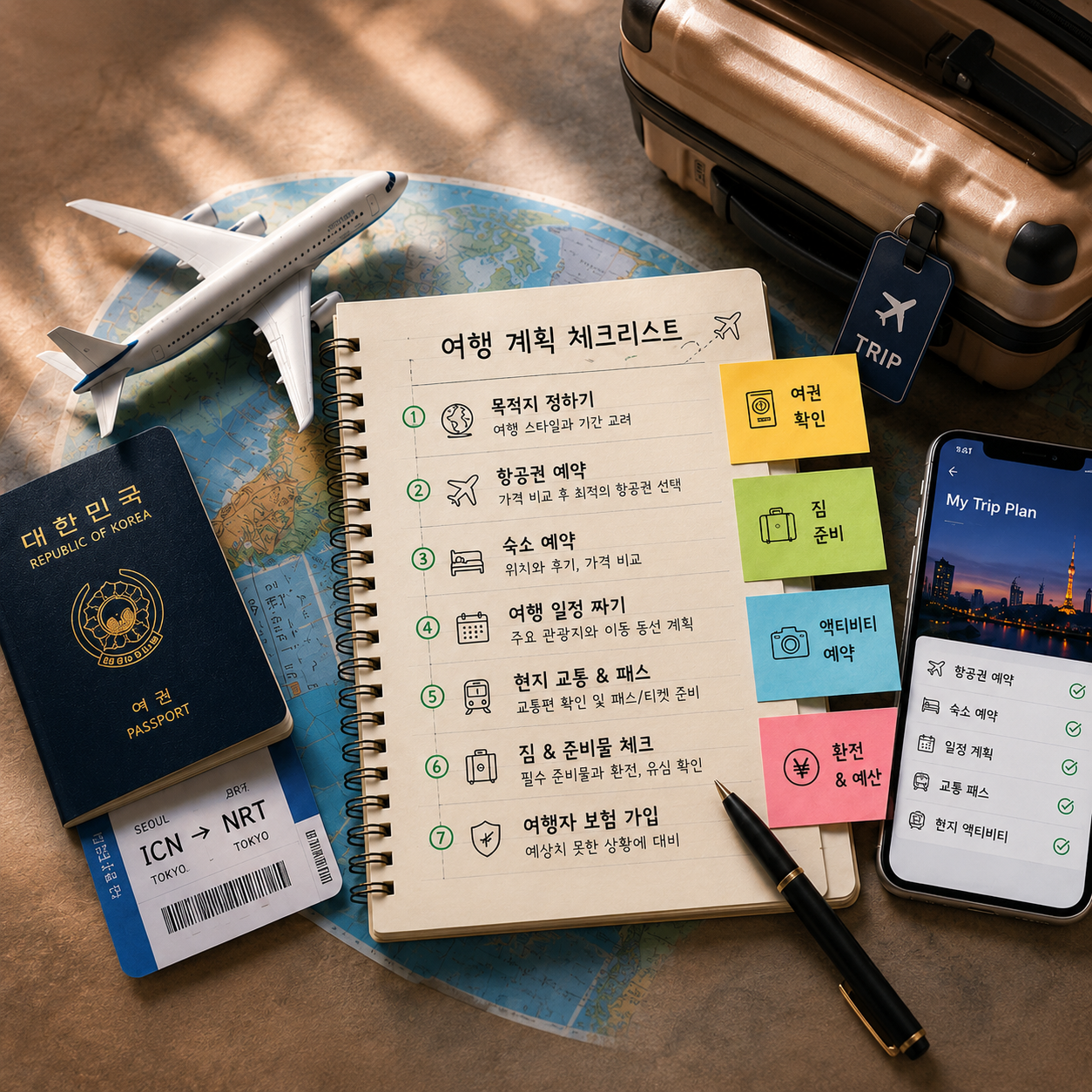
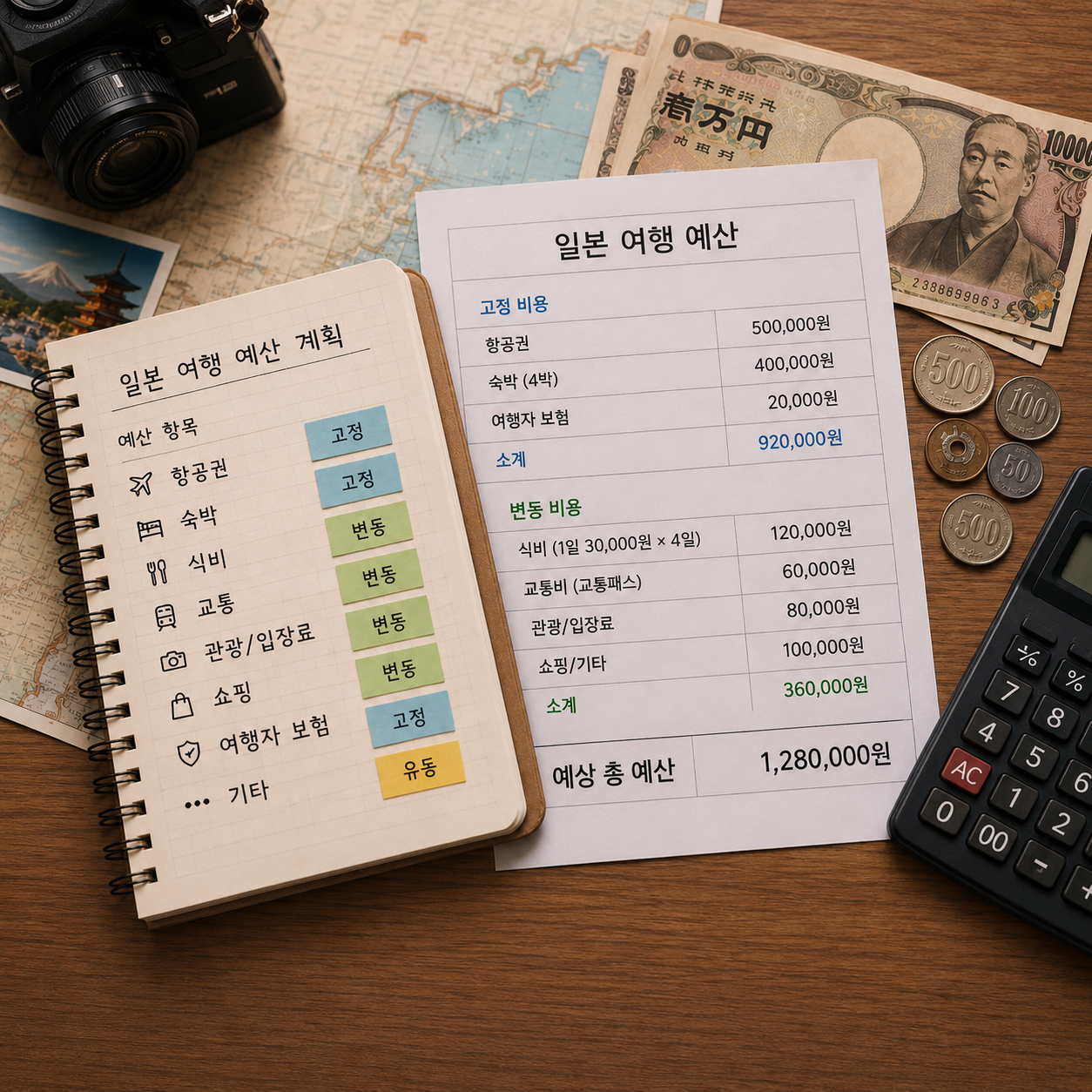
Round-trip flights and accommodation are your fixed costs. These numbers confirm at booking and don't change. Add them up, and you have a solid baseline — often 40 to 60 percent of your total trip spend. Once those are settled, you're planning around what's left.
The problem is that 'what's left' covers everything you'll actually experience in Japan, and those costs swing dramatically based on the choices you make day by day.
Food: The Widest Range of Any Category
Japan is simultaneously one of the best places to eat cheaply and one of the easiest places to spend a lot on food. A convenience store lunch runs 500 to 800 yen. A bowl of ramen is 800 to 1,500 yen. An evening at an izakaya with drinks is 2,500 to 5,000 yen per person. A sushi counter omakase can be 15,000 yen or more. These aren't outliers — they're all normal Japan experiences.
Japan food cost reference (per person, per meal)
Which tier you're eating at — and how many times per day — determines whether your food budget is $30 or $120 per person per day. Most people don't plan this in advance, which means they can't accurately calculate it in advance. 'Around $80 a day should cover it' is a guess, not a number.
Manage your itinerary and estimated budget together
Use your itinerary and saved places in Travplan to organize estimated costs and trip preparation in one place.
Transport Costs More Than Expected
IC cards (Suica or ICOCA) make getting around Japan seamless, but each trip costs 200 to 400 yen. Six to eight transit rides in a day — a realistic number for active sightseeing — adds up to 1,500 to 3,000 yen in local transport before any long-distance travel.
Day trips push that higher. A Shinkansen leg, a tourist pass, or the wrong taxi decision can double your expected transit spend for a single day. Taxis in Japan are expensive by default, and the 'one quick ride' with luggage on your last morning often costs more than you counted on.
Entry Fees Are Easy to Forget
Japan's popular attractions mostly cost money to enter. Universal Studios Japan express passes, teamLab venues, the Osaka Aquarium, Osaka Castle, Nijo Castle — the list is long, and individual prices range from ¥600 to ¥12,000 or more. When you're listing places you want to visit, it's easy to skip the step of looking up whether entry is free.
Once you have a complete itinerary, you can tally up exactly which paid spots are in it. Before then, entry fees are an invisible gap in your budget estimate.
RelatedJapan Travel Budget Calculator: How Much Does a Japan Trip Cost?Shopping: The Category That Defies Planning
I wasn't planning to buy much. Then I walked into Don Quijote twice, and into a drugstore on the way back.
Don Quijote, drugstores, character goods shops, outlet sections of department stores — Japan makes unplanned purchases feel natural. 'Just browsing' rarely stays that way. Travelers who budget nothing for shopping often end up buying an extra bag to carry things home. Treating shopping as a fixed budget line — a cap you set in advance — is the most practical approach.
The Real Reason Japan Budgets Stay Vague
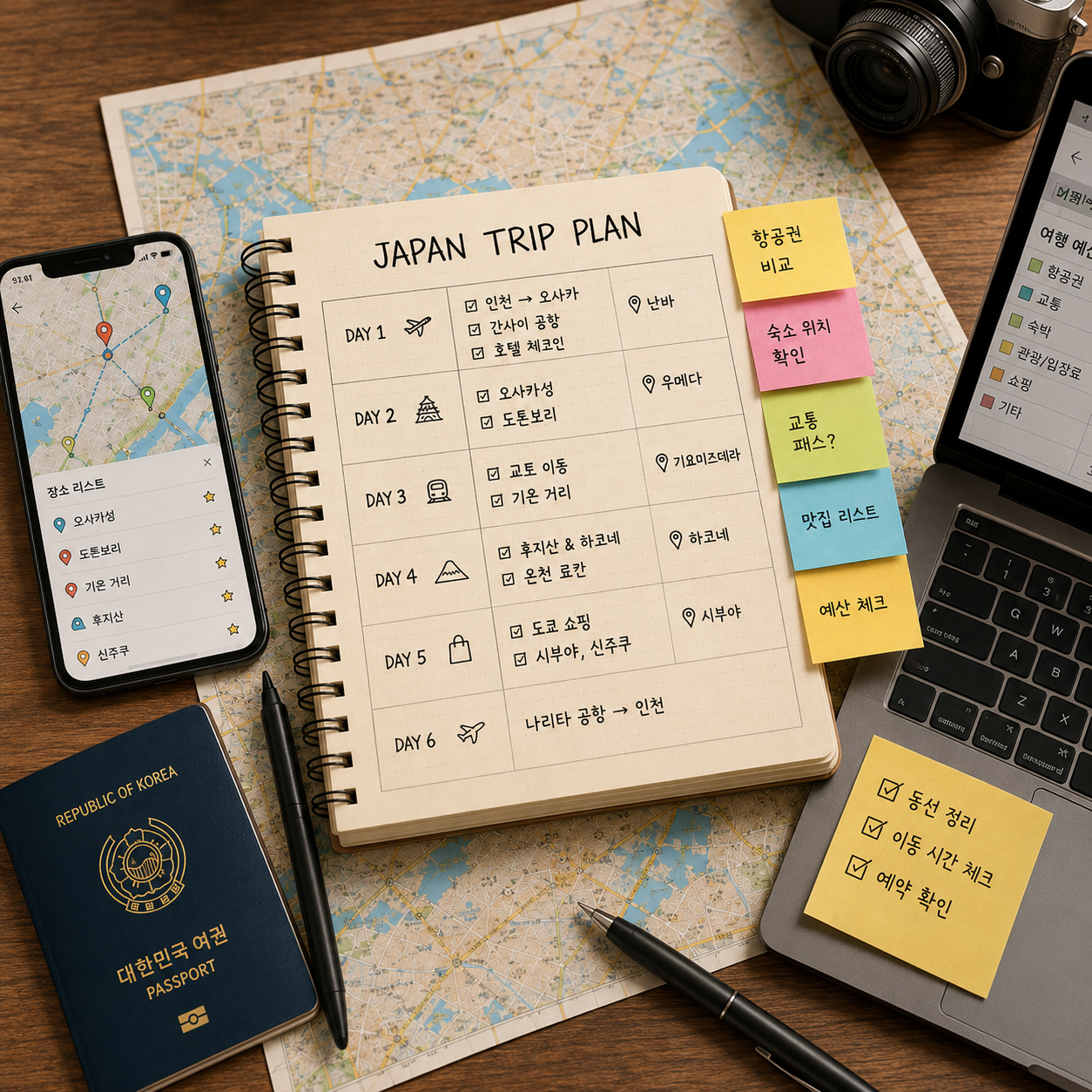
Variable costs — food, local transport, entry fees — all depend on the specific places your itinerary includes. Without a detailed day-by-day plan, you can't know which restaurants you're targeting, which sights you're paying to enter, or how many transit trips each day involves. You can only use averages, and averages don't match the way any individual trip actually plays out.
The sequence that actually works: build your itinerary first, then calculate your budget against it. The budget becomes accurate once you know what you're doing each day. Reversing this order — setting a budget before you have a plan — leaves most of the numbers as rough guesses that won't survive contact with the actual trip.
| Category | Budget | Mid-range | Flexible |
|---|---|---|---|
| Food (per day) | ¥3,000 | ¥7,000 | ¥15,000 |
| Local transport (per day) | ¥800 | ¥2,000 | ¥4,000 |
| Entry fees (whole trip) | ¥0 | ¥5,000 | ¥20,000 |
| Shopping (whole trip) | ¥0 | ¥20,000 | Open-ended |