How Much Cash Should You Bring to Japan?
Japan is more cash-dependent than most travelers expect. Here's how to estimate your daily cash needs and decide how much yen to actually carry each day.
Japan accepts cards at more places than it used to, but it's still meaningfully more cash-dependent than most Western countries — and even more so than Korea. Assuming 'card will probably work' is a reliable way to end up in an awkward situation at a cash-only ramen counter with no ATM nearby.
Situations Where You'll Need Cash
Common cash-only situations in Japan
A Simple Formula for Daily Cash
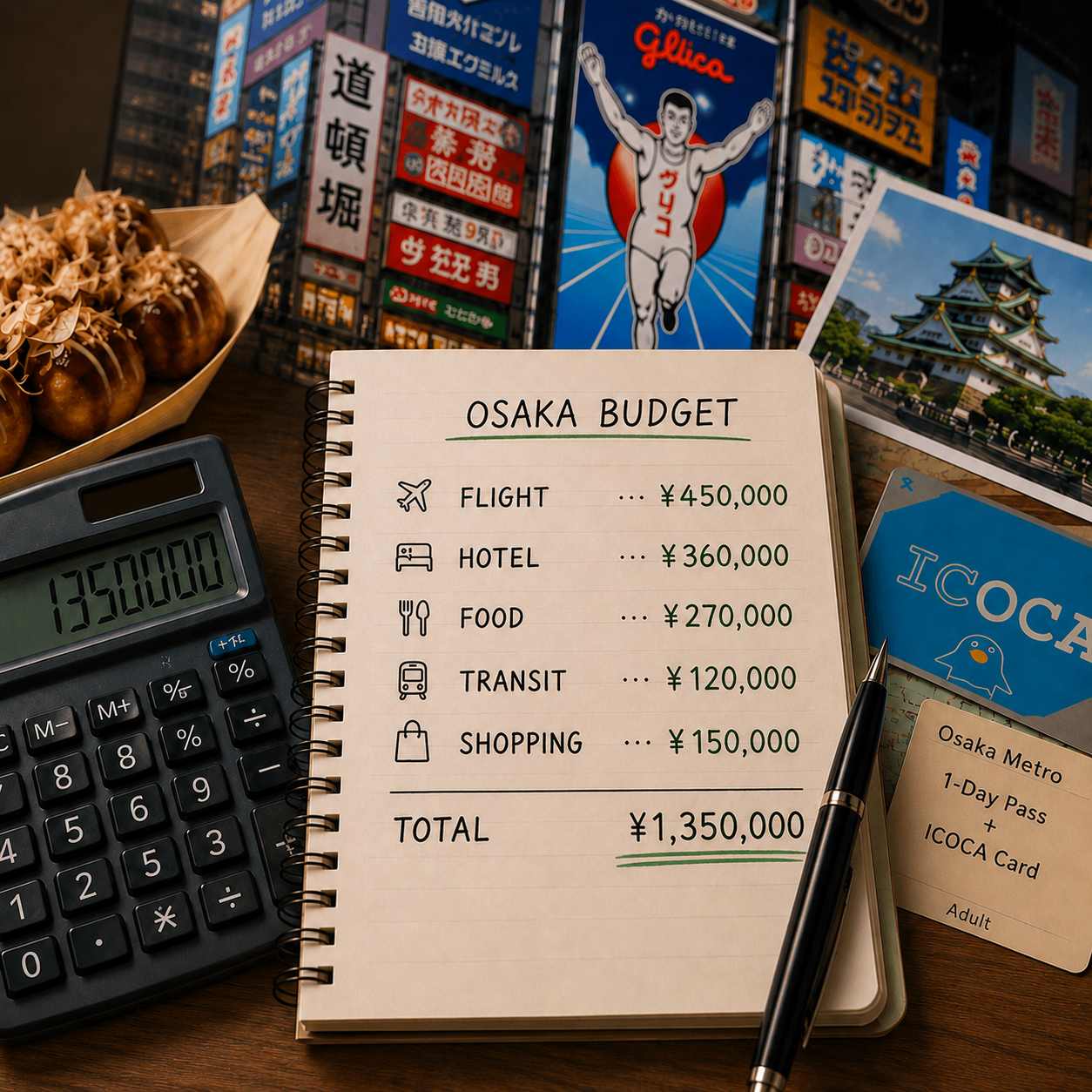
The most practical approach: estimate your daily cash spend, then multiply by trip length. If you're splitting costs between card and cash — paying for hotels and major restaurants by card, cash for everything else — a rough daily cash budget of ¥5,000–¥10,000 per person covers most situations. For a 4-night, 5-day trip, that puts your cash needs at ¥25,000–¥50,000 before shopping.
If shopping is part of your plan, add it separately. Don Quijote and most large drugstores do take cards, but smaller specialty shops and bargain corners often don't. Keeping 50% of your planned shopping budget as cash is a practical safety margin.
Manage your itinerary and estimated budget together
Use your itinerary and saved places in Travplan to organize estimated costs and trip preparation in one place.
Timing Your Exchange
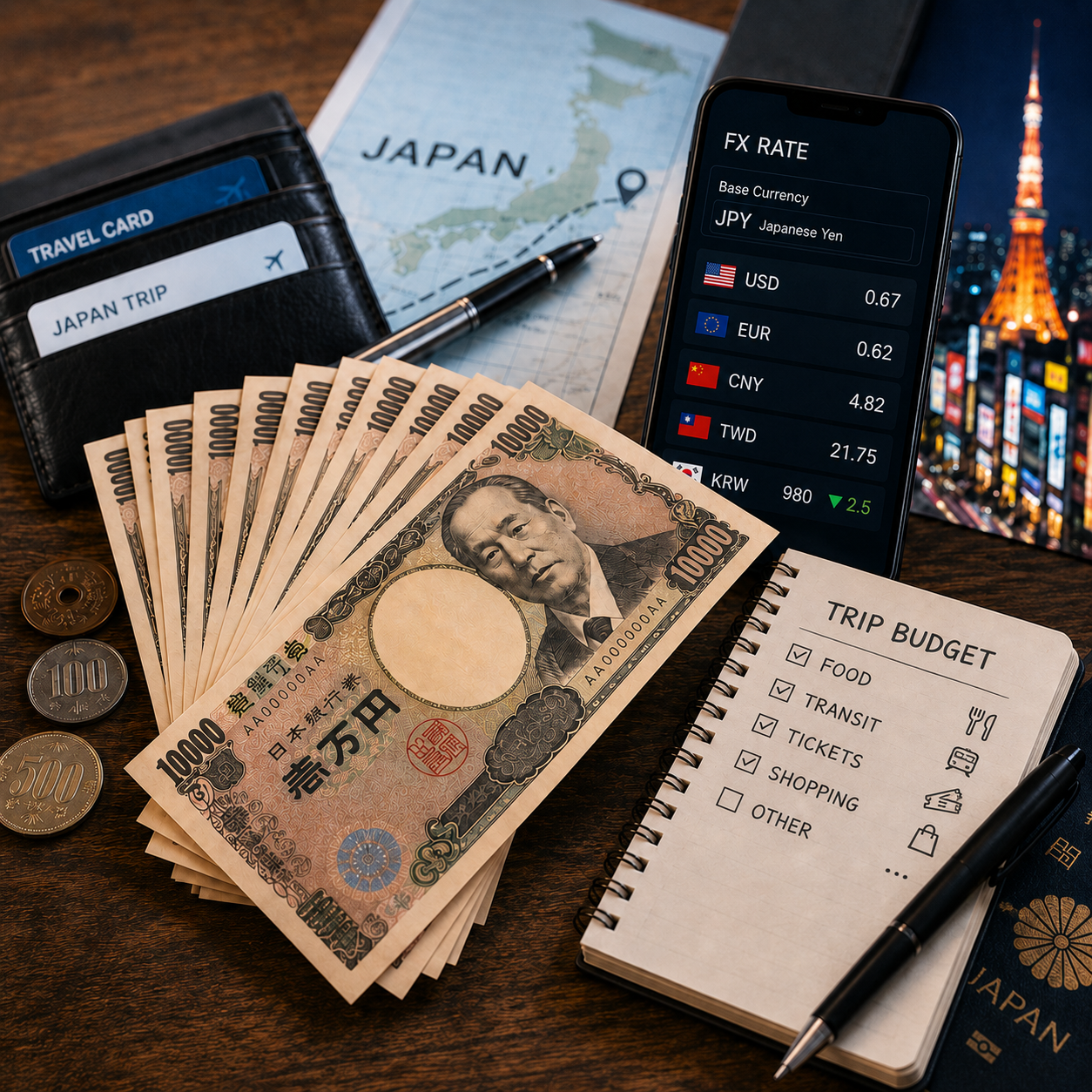
Exchange rates move, and waiting for the 'right moment' usually doesn't pay off. Exchanging 2–4 weeks before departure at a bank or online currency service typically beats airport rates by 1–3%. Airport kiosks are fine for small top-ups but are consistently the worst rate option.
Carrying too much cash means exchange losses on the way back. Exchange slightly under your estimate and use in-Japan ATMs as a top-up if needed.
Japan's ATMs: A Reliable Backup
7-Eleven's Seven Bank ATMs accept most international debit and credit cards and dispense yen in English. They charge a fee, but they're available 24/7 in thousands of locations across Japan. AEON bank ATMs are another reliable option. Treating them as a planned top-up rather than an emergency solves the 'ran out of cash' problem without overpacking yen before you leave.
The best way to nail the cash estimate is to have your daily itinerary finalized before you exchange. Once you know which days have high cash demands — a day with multiple entry fees, a market visit, a neighborhood with older restaurants — you can weight your daily budget accordingly instead of using a flat average.
RelatedJapan Travel Packing Checklist: What to Bring Before You Go